The product
The problem
A real 360° feedback cycle has only two shapes today: hire consultants — €50–100k and months of work — or run it by hand in spreadsheets. Either way, HR carries the entire process: configuring templates, reviewing questions, chasing raters, anonymizing responses, drafting reports. The part that actually matters — the conversation — gets whatever time is left.
What we built
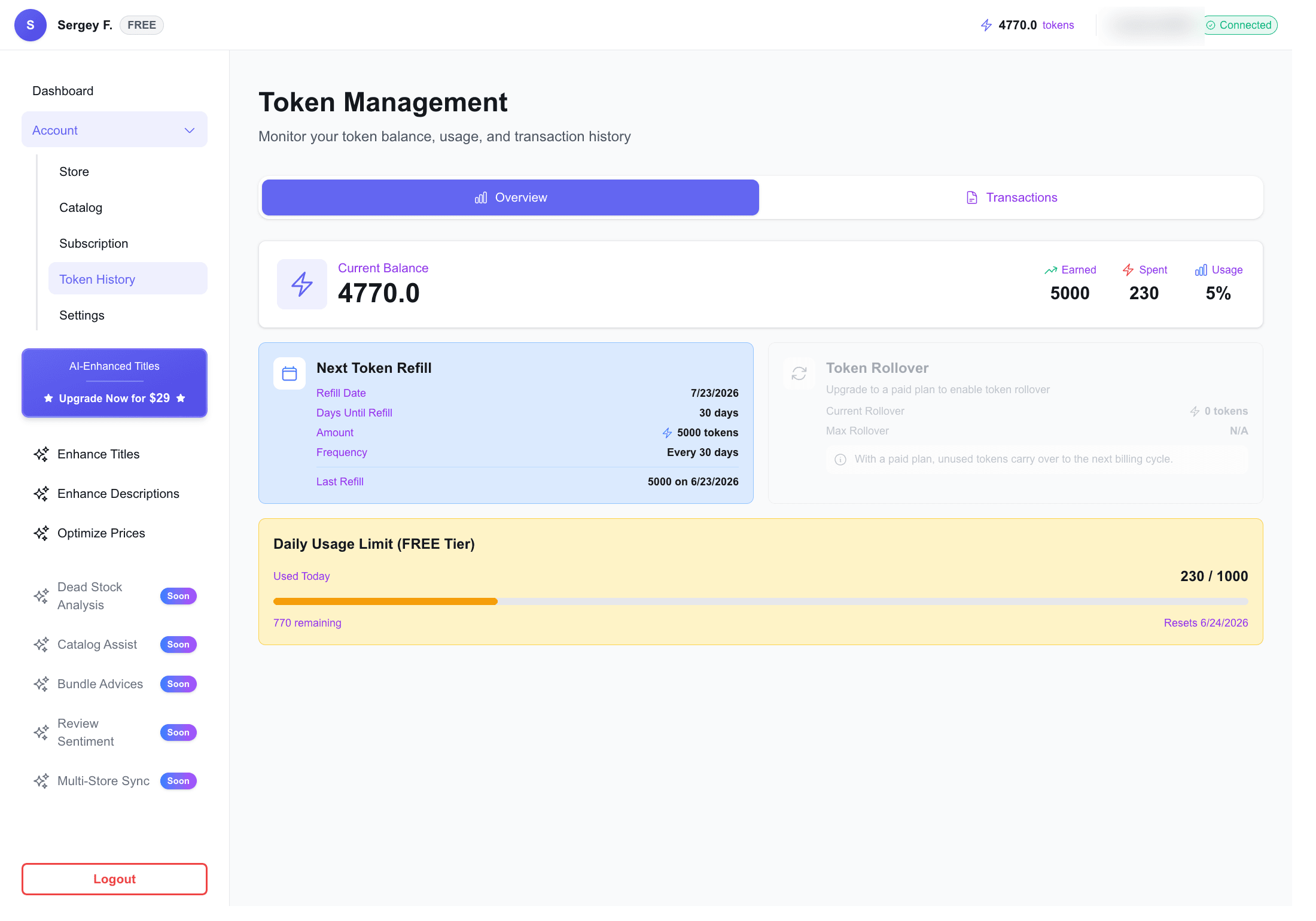
Pulse360 runs the cycle end to end. AI generates the questionnaire from the organization's own documents, orchestrates the campaign, anonymizes responses, and synthesizes a consultant-quality report and development plan — with HR reviewing and approving at every step. A consultant's 5–9 days of analysis, Pulse360 delivers in under an hour; an assessment takes 12–20 minutes to complete.
It's AI-native, but human-first: the AI proposes, the human decides. Every insight ships with its reasoning, a confidence signal, and a trace back to the evidence behind it — so HR can accept it, edit it, or throw it out. Nothing is a black box.
Under the hood
This is the hard part, and where most of my work lives.
Reliability around an unreliable component
You can't make an LLM reliable — you build a reliable system around it. Rather than lean on an agent framework, Pulse360 runs on custom orchestration: routing, retries with backoff, fallbacks, state, and a structured-JSON contract validated at every step. A failed model call retries; if it still fails, it falls back to a template. Model output is never trusted blind.
Multi-agent, multi-model
Different models do different jobs. Generating a questionnaire is a sequence of specialized agents — analyze the documents, extract competencies, write the questions — each its own call with its own prompt and schema. Report synthesis splits into flows: cheap models extract patterns across every competency in parallel, then a higher-quality model writes the narrative a human actually reads, through more than twenty specialized segment processors. The quality budget gets spent only where it's read.
A per-customer intelligence layer
Each organization gets its own external memory — its unstructured documents turned into structured, cited, version-controlled context that never trains a public model. It's the shared foundation the rest of Pulse Suite builds on, and the reason the system gets sharper the more an organization uses it.
Anonymity that actually holds
Real anonymization is engineered, not promised: a minimum number of responses before anything surfaces, synthesis instead of quote-stitching (raw quotes leak identity through their structure), and prompts constrained so output can't be reverse-engineered back to a person.
Compliant by architecture, not by contract
Explainability, confidence scoring, traceable evidence, and human sign-off aren't bolted on for compliance — they are the architecture, built toward the EU AI Act's direction on high-risk employment decisions before it's mandatory. Data stays in-jurisdiction, never trains the model, and is fully exportable.
The platform runs in five languages, aggregates five assessor perspectives — self, manager, peers, direct reports, external — and adapts to each organization's own competency framework.
My role
Cofounder & CTO. I own engineering and product architecture — the orchestration layer, the multi-model pipeline, the per-customer intelligence layer, and the explainability-and-consent design that lets AI make recommendations in an employment context responsibly.
Stack
TypeScript · Next.js · NestJS · PostgreSQL · Drizzle · Apollo GraphQL · custom multi-agent orchestration · multi-model LLMs (Anthropic, OpenAI, open models) · Docker · CI/CD
Credibility
- Tehnopol AI Accelerator — Ignostiq cohort
- University of Milan — research partner, studying AI's effect on HR judgment
- Built in partnership with 80+ HR leaders
- Live with EU pilot organizations